




BLOG

security window bars
How to Measure for Window Bars

How to Measure for Window Bars: Step-By-Step with Photos

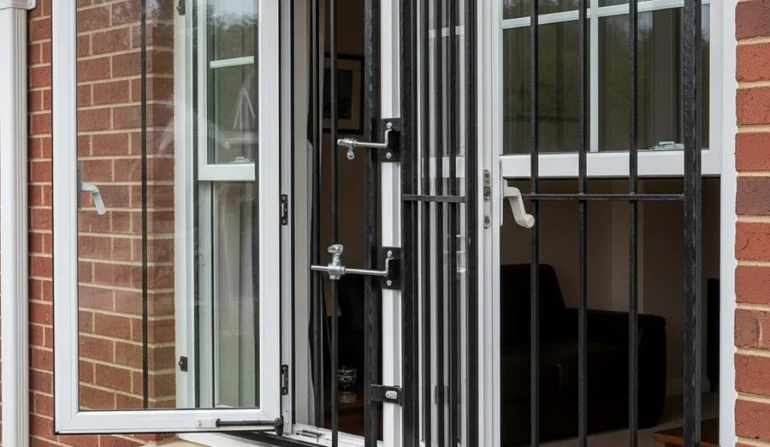
Rental properties face unique risks: ground-floor and garden-level windows, alley-facing glass, frequent turnovers, and periods when units sit vacant. Window bars are a proven deterrent when used correctly—especially alongside lighting, quality locks, and good visibility. This guide shows landlords how to map risk, decide interior vs exterior placement, pick frame vs wall-mount, and choose quick-release bars for egress windows. We also outline a simple rollout plan across multiple units using SWB’s modular & telescopic system, so you can standardize SKUs, speed installs, and keep costs predictable.

Tools you’ll need

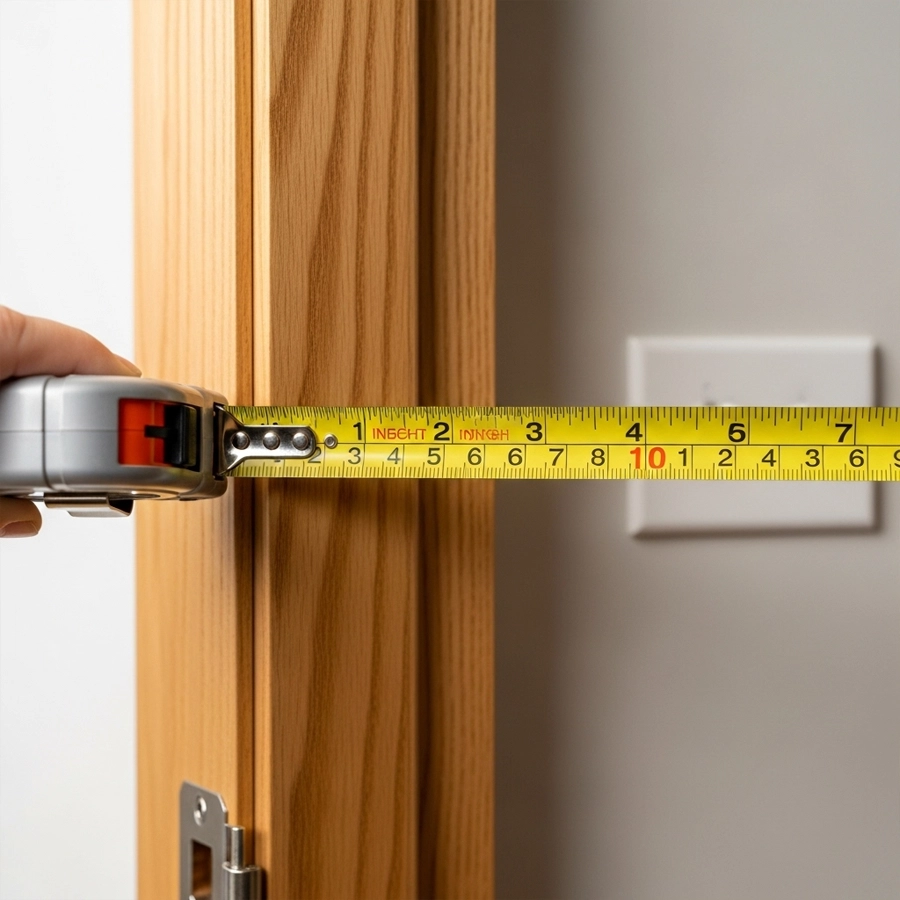
Tape measure (inches)

Pencil:marker & notepad

Pencil/marker & notepad (or phone notes)

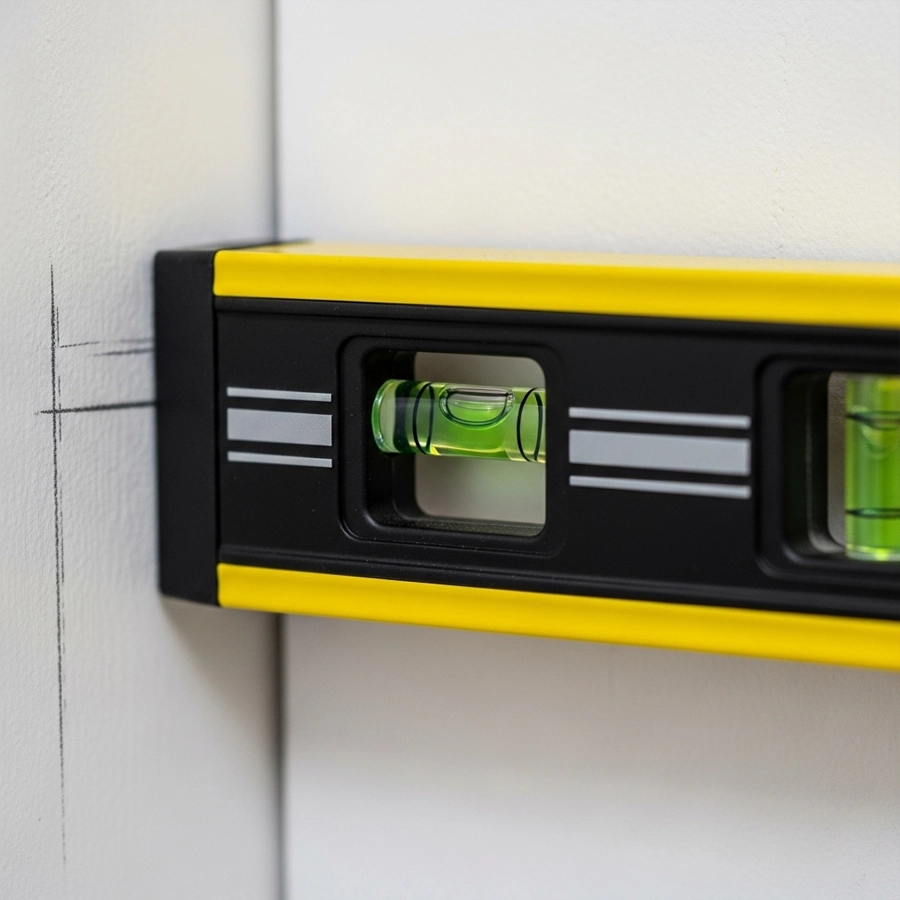
Level (optional, helpful for wall-mount)

Camera:phone

Camera/phone for quick photos

Step-by-step measuring

Tip: Take three width measurements (top/middle/bottom) and two height measurements (left/right). Record the smallest numbers for sizing.

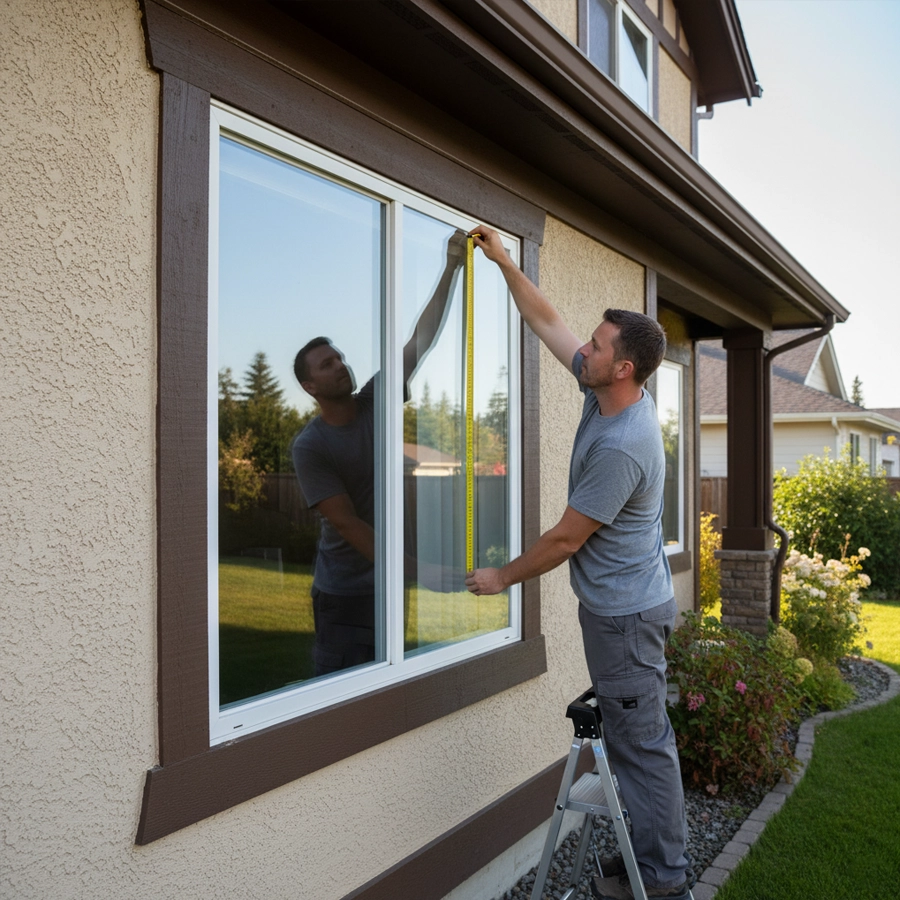
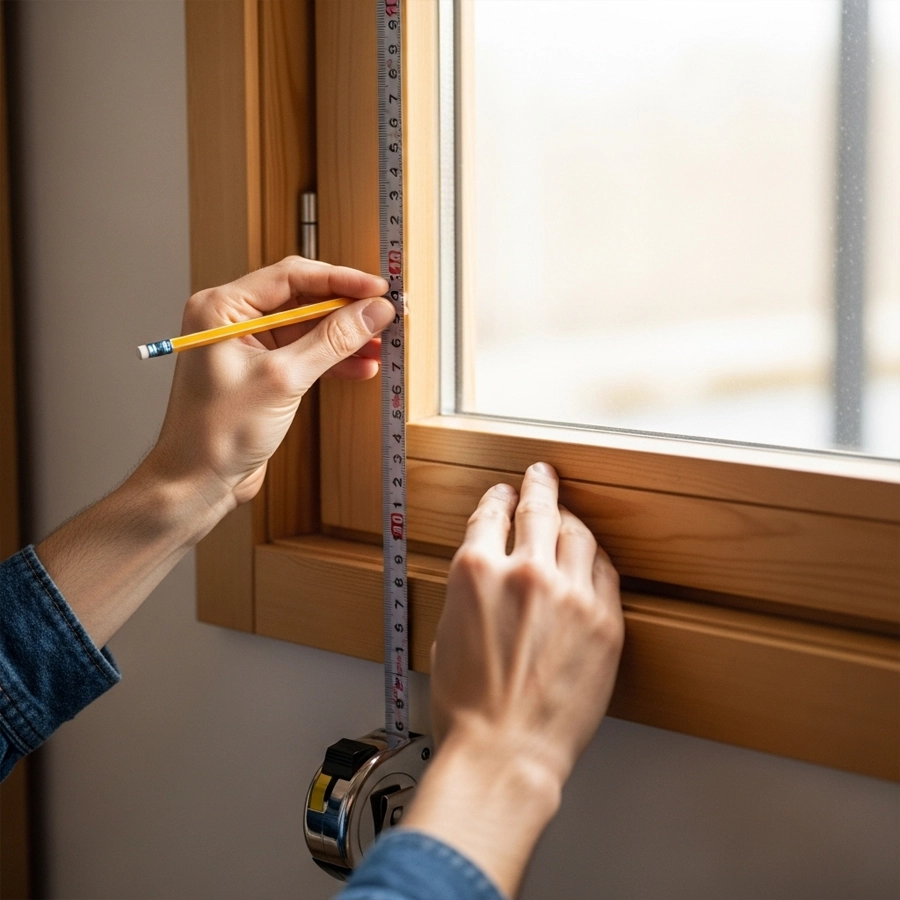
Step 1 — Measure clear width (W)

  • Measure inside the opening from left jamb to right jamb (tight points).

  • Take measurements at top, middle, and bottom; write down the smallest.

Measure clear width

Step 2 — Measure clear height (H)

  • Measure from the sill to the head where the bar will sit.

  • Measure on the left and right; record the smallest.

Measure clear height

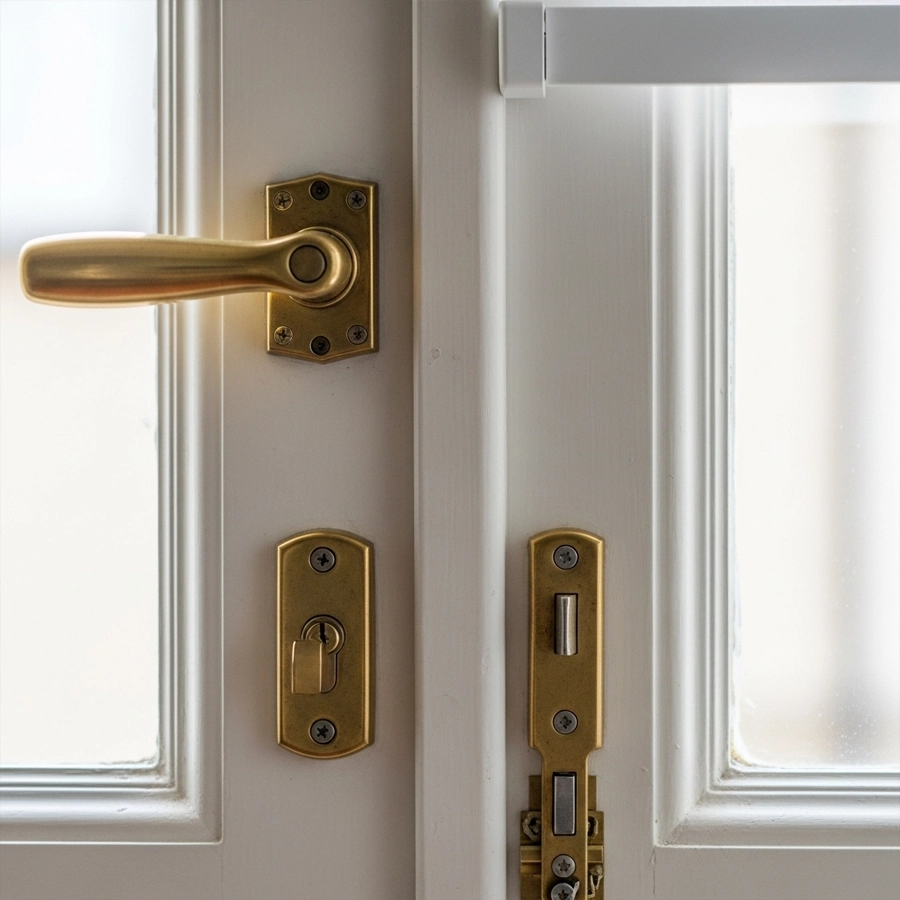
Check obstructions

  • Note crank handles, locks, blinds, shades, security sensors, or trim that project into the opening.

  • If planning a quick-release (egress), confirm you’ll have a clear swing path.

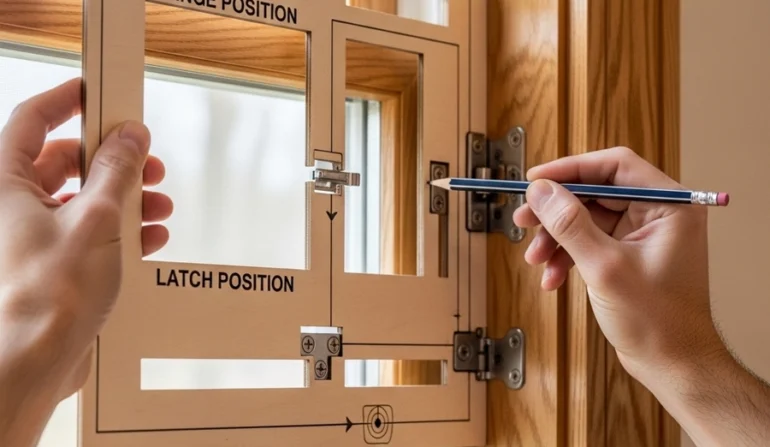
Check obstructions

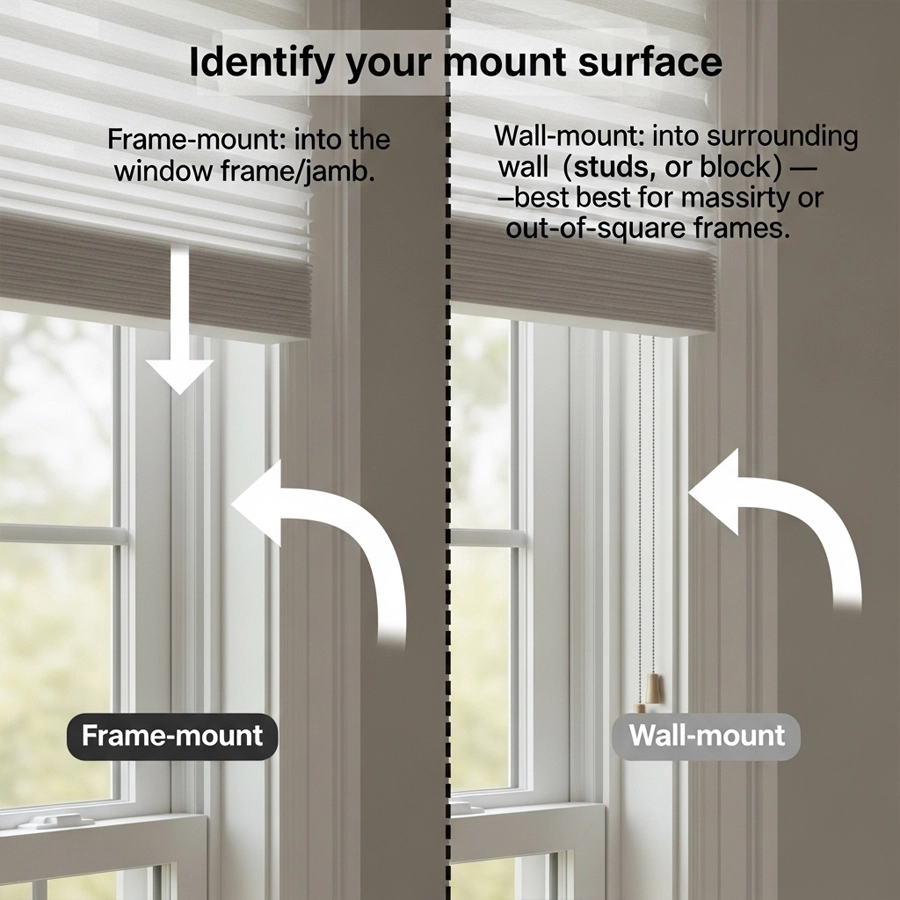
Step 4 — Identify your mount surface

  • Frame-mount: into the window frame/jamb.

  • Wall-mount: into surrounding wall (studs, brick, or block)—best for masonry or out-of-square frames.

Identify your mount surface

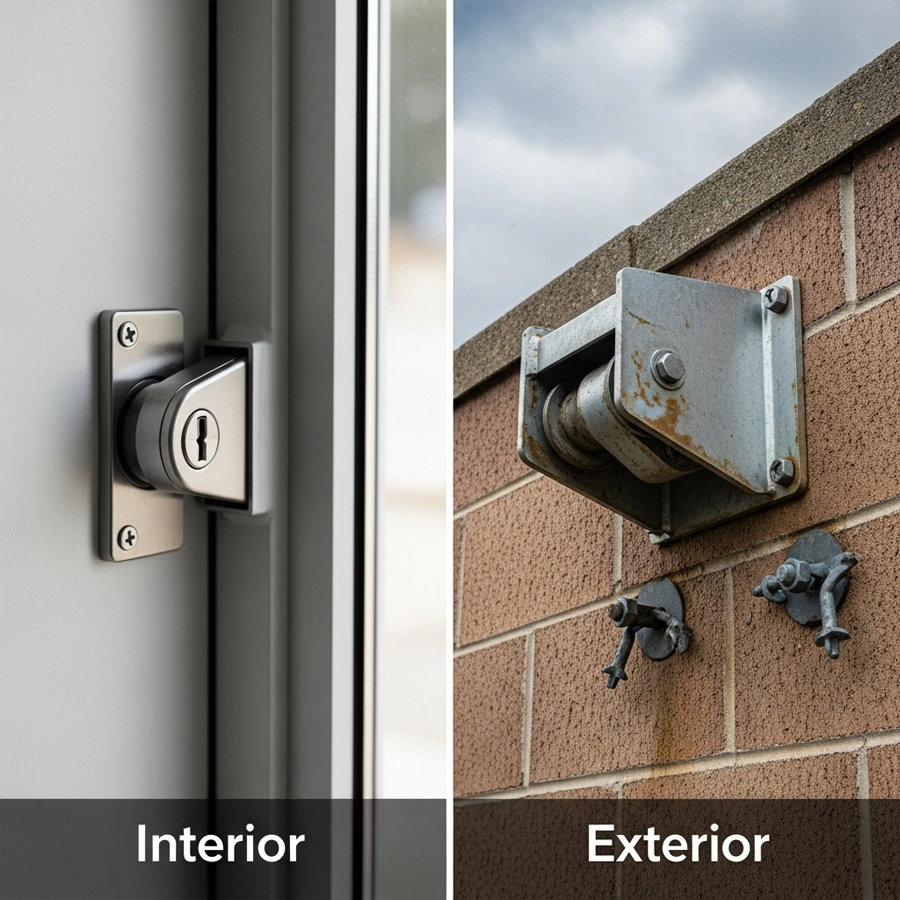
Confirm interior vs exterior location

  • Interior: easier quick-release access; protected from weather.

  • Exterior: more visible deterrence; plan for weather and proper anchors.

Step 6 — Record everything

Write down: W (in), H (in), mount type (frame/wall), location (interior/exterior), obstructions, and whether this window is egress.

Record everything

Match telescopic height & plan modular width

A) Pick your telescopic height range

Choose the range that comfortably covers your H (avoid maxing out the adjustment if you can).

B) Plan your width with modules

Start with one core module. Add modules side-by-side until you cover your W (center the assembly on the opening).

Quick module planning (rule of thumb):

  • 48–60″ wide window: Core + 1 module

  • 60–72″ wide window: Core + 1–2 modules

  • 72–79″ wide window: Core + 2–3 modules (typical max span)

  • Wider than ~79″? Split into two adjacent assemblies or ask us for a layout.

Not sure? Send W × H, a photo, and your mount choice via Buy Direct—we’ll spec the kit.

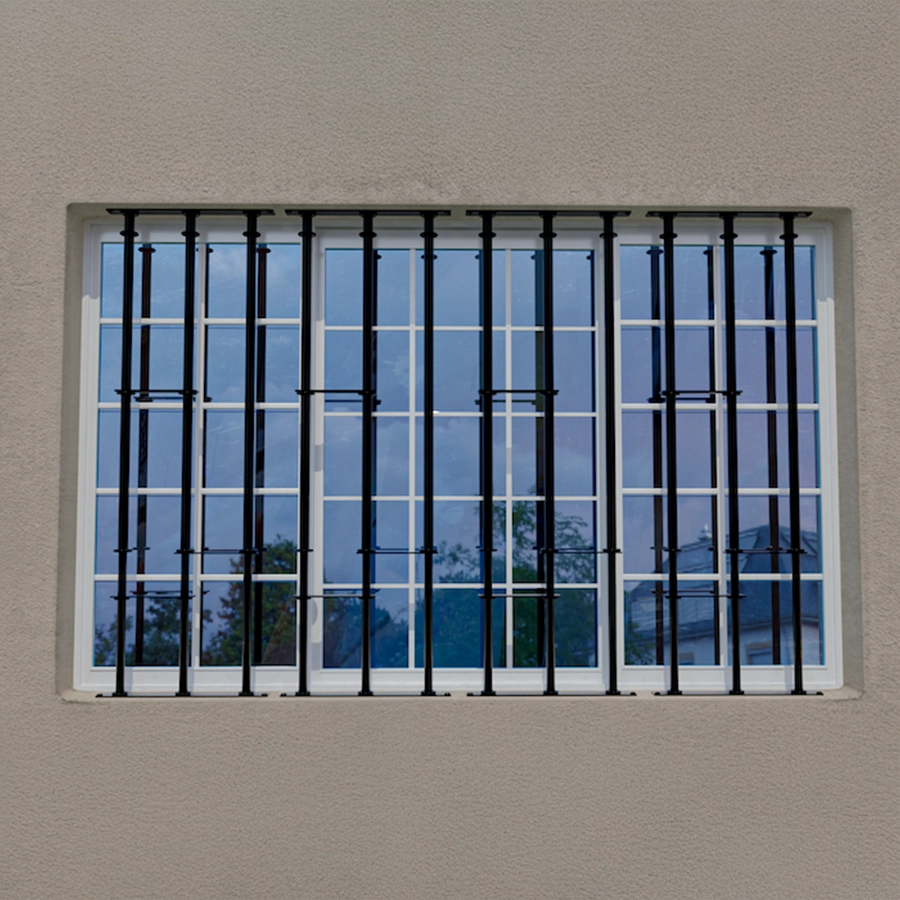
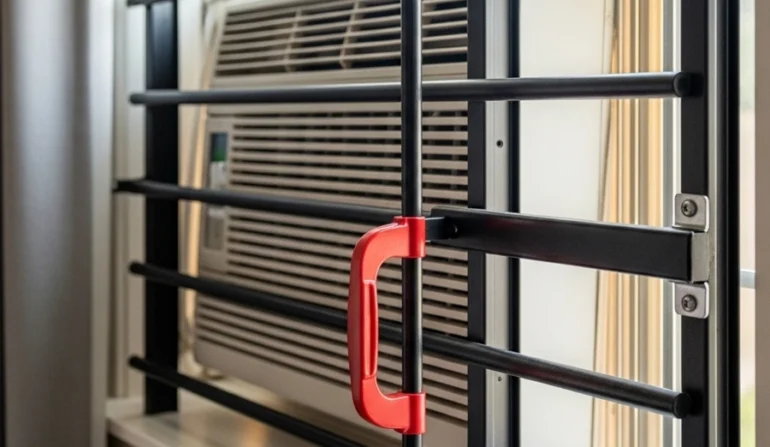
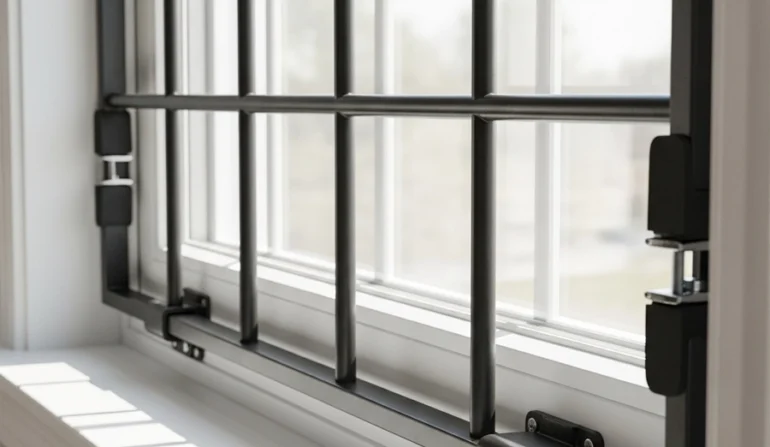
Frame-mount or wall-mount?

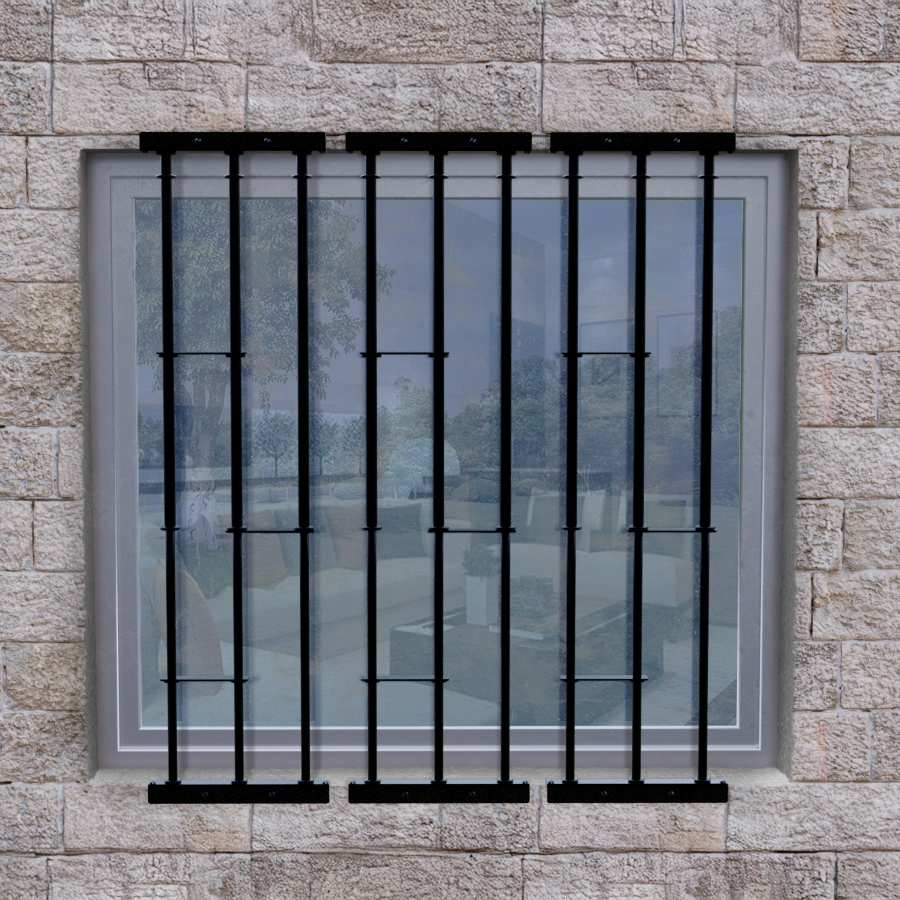
Frame-mount

Frame-mount (Model A or B)

  • Clean look, minimal standoff

  • Use when jambs are solid, plumb, and square

Wall-mount (Model B recommended)

  • Ideal for brick/block/stucco or out-of-square frames

  • Keeps long runs straight (great for sliders).

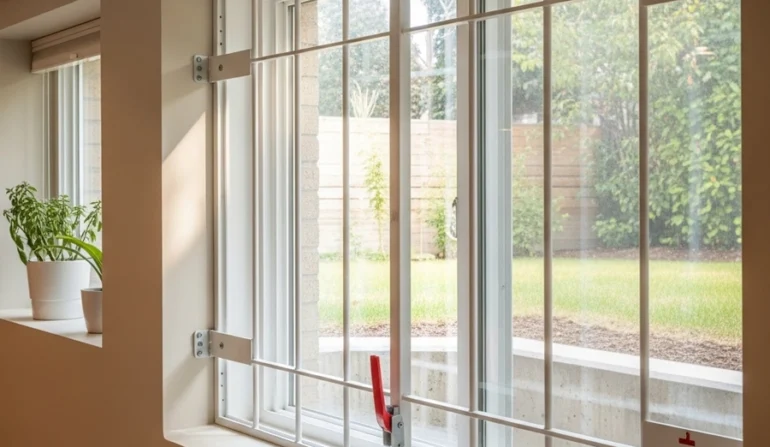
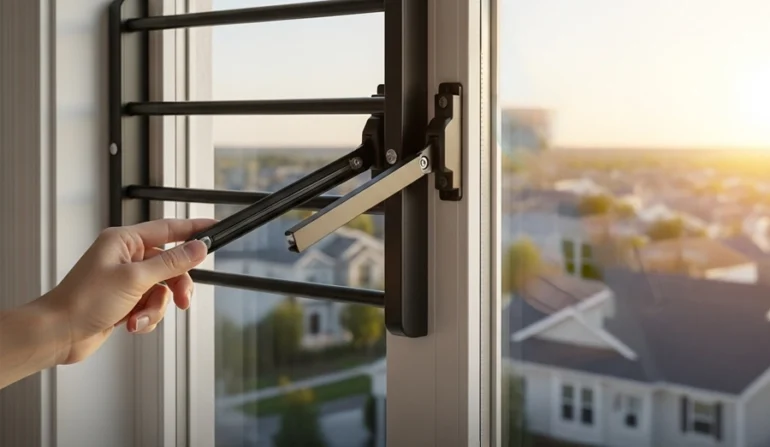
Do you need a quick-release (egress)?

If the window is a required emergency exit (bedrooms, some basements), choose Emergency-Exit. Plan a clear swing path, install per guide, and test the release after mounting (then monthly). 

Sample measurements (worked examples)

Example A — Basement egress, 35″ W × 52″ H (interior, frame-mount)

  • Telescopic height: choose range covering 52″ H (not fully extended).

  • Width: Core + 1 module to reach ~35″ W with clean centering.

  • Model: Emergency-Exit; confirm swing clears blinds/furniture.

Example B — Living room slider, 72″ W × 48″ H (exterior, wall-mount on brick)

  • Telescopic height: range covering 48″ H.

  • Width: Core + 2 modules; wall-mount to keep long span level.

  • Model: Model B, or Emergency-Exit if treated as egress.

Example C — Narrow bath window, 26″ W × 42″ H (interior, frame-mount)

  • Telescopic height: range covering 42″ H.

  • Width: Core only or Core + 1 small module for perfect centering.

  • Model: Model A.

Common measuring mistakes (avoid these)

  • Measuring trim-to-trim instead of the clear opening

  • Using the largest numbers instead of the smallest

  • Forgetting to check handles/blinds that reduce clearance

  • Over-relying on telescopic height instead of adding a module for width

  • Ignoring the mount surface (stucco/drywall needs structure behind it)

  • Ordering fixed bars for an egress window (use quick-release)

Printable checklist

Width (W) at top/middle/bottom → record smallest

Height (H) left/right → record smallest

Obstructions: handles, blinds, sensors, trim

Mount: frame-mount or wall-mount

Location: interior or exterior

Egress? If yes → pick Emergency-Exit and plan swing test

Module plan for width (Core + ___ modules)

Photos attached (front, side, substrate close-ups)

Next steps (order with confidence)

  • Use your numbers to pick a telescopic height and module count.

  • Decide frame vs wall-mount (Model A supports both; Model B emphasizes wall-mount).

  • If egress, select Emergency-Exit and plan a post-install test.

  • Buy Direct & Save or send measurements & a photo for a same-day recommendation.

  • When your kit arrives, follow Install Guides for anchors and torque specs.

EMAIL ADDRESS: sales@securitywb.com
SITE: www.securitywb.com
PHONE:
CDMX: +52 (55) 5272 3355  USA: +1 (650) 4371 575

COOKIES POLICY

Security Window Bars LLC ("SWB") uses cookies and similar technologies to improve your browsing experience and enhance the functionality of our website www.securitywb.com (the “Website”). This Cookies Policy explains what cookies are, how we use them, and how you can manage your cookie preferences.

By using our Website, you agree to our use of cookies as described in this policy.

Last Updated: 01/01/25