
Quick Release Window Bars for Apartments: Fire Safety, Codes & Egress Compliance Guide
Quick release window bars for apartments fire safety explained: IBC, NFPA 101 egress codes, break-away vs. fixed grilles, and top products for US renters.
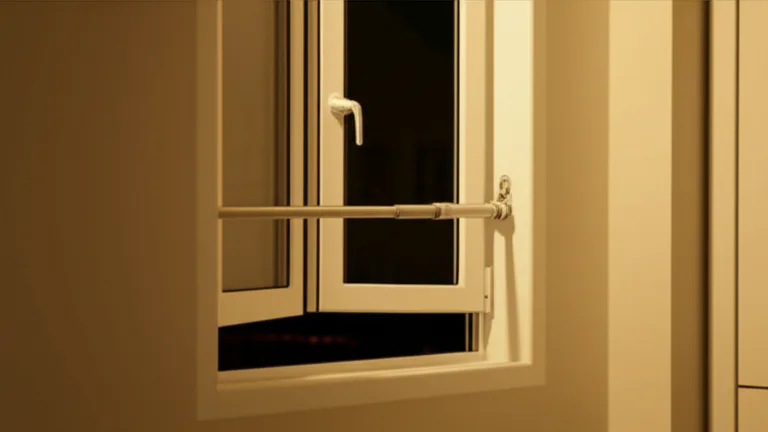
More than bars, SWB offers peace of mind. We understand security at a structural level to explain it to you at a home level. If you live in a ground-floor apartment in Chicago, Philadelphia, or Atlanta, quick release window bars for apartments fire safety are not a luxury — they are a legal requirement and a life-saving decision. According to the U.S. Fire Administration, residential fires kill more than 2,500 Americans every year, and blocked or non-operable windows are among the top contributors to fatal outcomes when escape routes are compromised. The sobering reality is that fixed security grilles — including many traditional domestic window security grilles and older cross bars in windows — can trap residents inside during a fire. This guide breaks down exactly how quick-release and break-away window bar systems work, which U.S. building codes require them, and why modern egress-compliant bars from Security Window Bars (SWB) deliver both maximum protection and lifesaving exit capability in a single product.
Fixed window security products — including welded iron grilles, non-removable aluminium windows georgian bars, and permanently anchored spear-point guards — off…
Why Fire Safety and Window Security Are Inseparable in U.S. Apartments
Most apartment renters in the United States think about window bars in terms of one thing: keeping intruders out. That is a completely valid concern. According to the FBI Uniform Crime Report, approximately 6.7 million home burglaries occur across the U.S. each year, and 60% of break-ins happen through ground-floor windows and doors. So installing steel window bars makes enormous sense — but only when those bars are the right kind.The critical problem arises when residents or landlords install permanently fixed bars — think traditional cross bars in windows, welded grisham-style spear point guards, or non-operable domestic window security grilles — and never consider what happens during a fire. In a residential fire, exits close off within minutes. Smoke incapacitates occupants in under 60 seconds. If your only window escape route is blocked by a fixed steel grille with no release mechanism, you are trapped.This is precisely why the International Building Code (IBC), NFPA 101 Life Safety Code, and local municipal fire codes across the United States mandate egress-compliant, quick-release window bars in sleeping areas and certain residential dwelling units. Understanding the difference between a fixed bar and a code-compliant quick release system is not just academic — it is the difference between surviving an apartment fire and not.
The Hidden Danger of Fixed Window Grilles in Residential Buildings
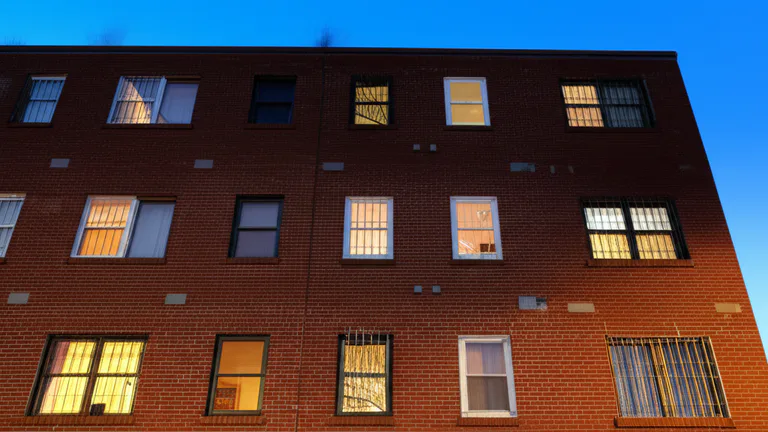
Fixed window security products — including welded iron grilles, non-removable aluminium windows georgian bars, and permanently anchored spear-point guards — offer undeniable burglary deterrence. However, they create a serious secondary hazard. When fire blocks the front door, occupants instinctively move toward windows. A fixed grille that cannot be opened from the inside turns a fire escape window into a dead end.The U.S. Fire Administration has specifically flagged this issue in multiple residential fire investigation reports, noting that non-egress window bars have contributed to fatalities in apartment fires across cities including Chicago, Detroit, and Memphis. Many of these cases involved older buildings where landlords had installed security grilles without any release mechanism, leaving tenants with no viable escape route. This is why fire marshals in states like New York, California, Illinois, and Texas actively inspect residential buildings for egress compliance.
What U.S. Fire Codes Say About Window Bars in Sleeping Areas
The International Residential Code (IRC) Section R310 requires that all sleeping rooms in residential buildings have at least one emergency escape and rescue opening (EERO). This window must provide a minimum net clear opening of 5.7 square feet — with a minimum width of 20 inches and a minimum height of 24 inches — to allow occupant self-rescue and firefighter access.Critically, IRC R310.2.1 states explicitly that security bars and grilles installed over required egress openings must be openable from the inside without the use of a key, special knowledge, or force greater than that required to operate the window itself. NFPA 101, the Life Safety Code, mirrors this requirement under Section 7.2.1 for means of egress. Any window bar system that cannot be released instantly from the inside during an emergency is, in most U.S. jurisdictions, a building code violation — regardless of how effective it may be as a burglary deterrent.
How Quick Release Window Bars Work: Mechanisms and Technology
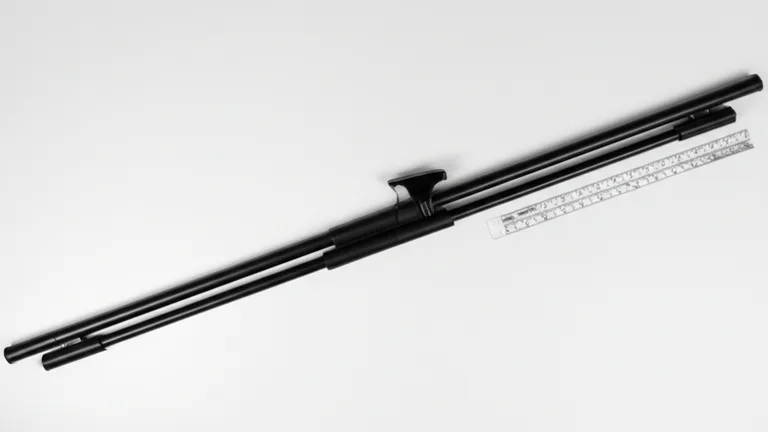
Not all quick release window bars for apartments fire safety are built the same way. The term covers several distinct mechanisms, each with different levels of reliability, ease of operation, and compliance with U.S. building codes. Understanding these mechanisms helps renters, landlords, and property managers choose the right product for their specific building type, window configuration, and local code requirements.At the most basic level, a quick-release window bar system is any bar assembly that can be fully disengaged from its mounting position by a person inside the room — operating the release in a single motion, without tools, and without specialized knowledge — allowing the window to be fully opened to its minimum egress dimensions within seconds. The more advanced systems, like SWB’s patented Model A/EXIT, integrate this release function directly into an adjustable telescopic bar, combining burglary deterrence with one-touch egress capability in a single product.
Break-Away Window Bars vs. Quick-Release Mechanisms
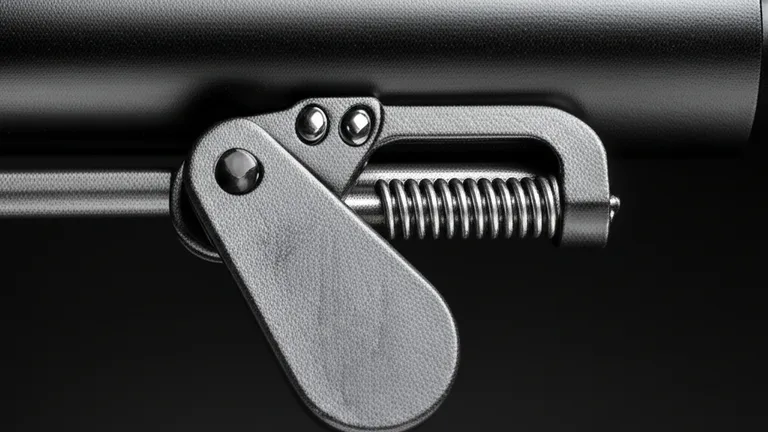
Two terms that often appear together — break-away window bars and quick-release window bars — actually refer to different technologies. Break-away bars are designed to detach from their mounts under significant outward force, typically used in scenarios where a firefighter needs to access a window from outside using rescue tools. These are commonly found in commercial and institutional settings.Quick-release mechanisms, on the other hand, are designed for interior self-rescue. They rely on a lever, push-button, slide latch, or spring-loaded pin that the occupant operates from inside the room. According to NFPA 101 Section 7.2.1.4, the operational force required to release an egress device must not exceed 15 pounds of force, and the sequence must not require more than one action to disengage the locking mechanism. SWB’s Model A/EXIT uses a patented telescopic release system that meets this requirement, allowing a single action from inside to fully disengage the bar and open the egress path.
Telescopic Egress Bars vs. Fixed Grilles: A Direct Comparison
Traditional fixed security solutions — whether welded iron bars, aluminium Georgian bar window inserts, or rigid domestic window security grilles — have one defining characteristic: they do not move. That permanence is their security selling point, but it is also their fatal flaw in fire scenarios.A telescopic egress bar, by contrast, uses a spring-loaded or latch-driven telescopic body that compresses or retracts when the release is activated. This allows the bar to lose its tension against the window frame and drop or swing clear of the opening within seconds. The result is a window that meets full egress dimensions the moment the release is triggered — no keys, no tools, no second steps. SWB’s Model A/EXIT is a prime example: it provides the same steel strength and burglary resistance as a fixed grille during normal operation, but converts to a fully clear egress opening on demand.
U.S. Building Codes That Mandate Egress-Compliant Window Bars
For renters, landlords, and property managers across the United States, understanding which specific codes apply to window bars is critical — both for legal compliance and for genuine occupant safety. The regulatory landscape is layered: federal model codes set the baseline, state codes adopt and sometimes amend those standards, and municipal fire marshals enforce local ordinances that can be stricter than state minimums.The key codes governing quick release window bars for apartments fire safety in the United States include the International Building Code (IBC), the International Residential Code (IRC), NFPA 101 (Life Safety Code), and OSHA standards for certain commercial properties. Additionally, cities like New York, Los Angeles, Chicago, and Houston have adopted supplemental local ordinances that directly address security window bars in residential dwellings.
IBC and IRC Egress Requirements for Window Bars
The International Building Code (IBC) Chapter 10 covers means of egress comprehensively, requiring that all egress components — including windows in sleeping rooms — be free of obstructions that cannot be cleared from the interior without tools or keys. Section 1030.5 of the IBC specifically addresses window well and security bar installations, stating that bars, grilles, grates, or similar devices protecting emergency escape and rescue openings must be releasable or removable from the inside without the use of a key or special knowledge.The IRC (which governs single-family and two-family dwellings) contains equivalent language under R310.2. For multi-family residential buildings — the most common apartment scenario — IBC Section 1030 applies. Both codes require a minimum net clear opening of 5.7 square feet, with width no less than 20 inches and height no less than 24 inches, measured after the window is fully open and any bars or grilles are cleared.
NFPA 101 Life Safety Code and Local Ordinances
NFPA 101, known as the Life Safety Code, is adopted in whole or in part by 43 U.S. states. Section 7.2.1 requires that means of egress be continuously maintained free of obstructions. For window-based egress, the standard requires that any security device covering an egress window be operable from the inside with no more than one releasing operation.In New York City, Local Law 57 already mandates window guards in apartments where children under 10 reside — but those guards must be removable by adults. The NYC Fire Code Section 1025 further mandates that fire escape access windows not be permanently obstructed. In Chicago, the Municipal Code Section 13-196-100 requires egress windows in all sleeping rooms of residential buildings, and any security grille over such windows must have an interior release mechanism. Los Angeles Fire Code Section 1030 mirrors the IBC requirements. Landlords in these cities who install non-egress-compliant bars face building code violations, fines, and significant liability exposure.
OSHA Standards for Commercial Window Security
While OSHA primarily governs workplace safety, its standards apply to commercial properties, ground-floor retail spaces, and any building where employees work near secured windows. OSHA 29 CFR 1910.37 requires that exit routes not be blocked or obstructed. For ground-floor commercial windows that serve as secondary egress — common in retail stores in urban areas like Detroit, Memphis, and Philadelphia — any security grille or window bar must have an interior release mechanism accessible to all employees.This means that property managers and business owners who have installed traditional fixed domestic window security grilles or rigid cross bars in windows as anti-burglary measures may be inadvertently creating OSHA violations. Upgrading to egress-compliant quick-release bars resolves both the safety hazard and the compliance issue simultaneously.
Choosing Egress-Compliant Window Bars: What to Look for in 2025
With dozens of window security products available online and in hardware stores, identifying which ones are truly egress-compliant for U.S. fire safety codes requires knowing exactly what features to look for. Many products marketed as ‘security bars’ or ‘window grilles’ do not include any quick-release function — and some that claim to be ‘removable’ require tools for removal, which does not meet IBC or NFPA 101 requirements.The following criteria should guide any purchase decision for renters in high-crime urban areas, landlords managing multi-family properties, or property managers overseeing commercial buildings. These are the same criteria that code enforcement officers use when inspecting residential buildings in cities like Atlanta, Houston, and Los Angeles.
Key Features of a Code-Compliant Quick-Release Bar System
A genuinely egress-compliant quick-release window bar must meet several non-negotiable criteria. First, the release mechanism must operate from the inside of the room only — no exterior key, no external tool access. Second, the release must require no more than one action: a single push, pull, lever turn, or slide must disengage the bar completely from the window frame. Third, the force required to operate the release must not exceed 15 pounds, making it accessible to children, elderly occupants, and anyone in a panicked or smoke-impaired state.Fourth, once released, the bar must clear the window opening to allow the minimum egress dimensions required by code. Fifth, the bar’s normal (non-release) state must provide genuine burglary resistance — not simply a flimsy latch that a burglar could defeat from outside. SWB’s Model A/EXIT meets all five of these criteria through its patented telescopic quick-release mechanism, providing certified egress compliance alongside the steel strength needed for real burglary deterrence.
Why Telescopic Bars Outperform Fixed Grilles for Apartment Renters
Beyond fire code compliance, telescopic window bars offer a suite of practical advantages that fixed grilles — including aluminium windows with Georgian bars, silver Georgian bar windows, or rigid domestic window security grilles — simply cannot match. For the 44.1 million apartment renters in the United States (U.S. Census Bureau, 2023), permanent installation is frequently prohibited by lease agreements, making any bar system that requires wall drilling impractical or legally problematic.SWB’s Model A — the Telescopic Window Bar — installs in 15 to 20 minutes using spring tension against the window frame, requiring no drilling and causing no damage to walls or frames. When moving out, the bar removes completely, leaving no visible installation marks. This is particularly valuable for renters in cities like New York, Chicago, and Los Angeles, where lease agreements strictly prohibit permanent modifications. Compare this to a welded grisham spear point guard or a fixed Georgian bar glazing insert — once those are in, they are in permanently, and removing them typically costs as much as installing them.
Fixed Window Security Grilles vs. Quick-Release Systems: Full Comparison
The American residential security market offers a wide spectrum of window protection options, ranging from decorative Georgian bar glazing and perspex burglar guards to heavy-gauge welded steel grilles and modern egress-compliant telescopic bars. Understanding where each product type fits — and where each type falls short — is essential for making a safe, legal, and cost-effective decision.This comparison is particularly important given the growing market for imported fixed-grille products, including silver Georgian bar windows, uPVC French doors with Georgian bars, and double-glazed Georgian bar windows that incorporate non-removable bar elements into the glazing unit itself. While these products may meet aesthetic or mild security goals, they frequently fail to meet U.S. egress requirements — a fact that many importers and retailers do not prominently disclose.
Georgian Bar Windows and Domestic Grilles: Security vs. Egress Compliance
Georgian bar glazing — whether in aluminium windows, uPVC frames, or double-glazed units — creates the visual appearance of a divided window using bars set within or between the glass panes. While the aesthetic is popular in certain architectural styles, these bars are purely decorative in most residential installations and provide essentially zero burglary resistance, since they are set inside the glass rather than forming an exterior or interior protective barrier.More relevant to security discussions are domestic window security grilles and internal Georgian bar windows that are mounted as separate security layers inside or outside the window frame. When these grilles are fixed — as is typical with cross bars in windows or grisham spear point window security guard vertical steel installations — they provide genuine burglary deterrence but create the egress obstruction problem described throughout this guide. The critical distinction is this: if the grille cannot be disengaged from inside the room in a single motion without tools, it is not egress-compliant in the United States, regardless of its origin or marketing description.
Storm Guard uPVC Seals, Perspex Guards, and Other Alternatives
Some property owners explore alternatives to steel bars, including storm guard uPVC seals, perspex burglar guards, and polycarbonate security panels. These products offer varying levels of impact resistance but generally fall short of the deterrence provided by steel bars. Polycarbonate panels, for instance, can be cut or pried away from a frame with standard hand tools in under two minutes — a significant vulnerability compared to hardened steel.Perspex and polycarbonate alternatives also present fire hazards of their own: many formulations release toxic fumes when heated, and their melting point is significantly lower than glass or steel, meaning they can deform and block egress openings in a fire before a resident can exit. Steel quick-release bars, by contrast, retain their structural integrity through fire conditions while the release mechanism allows the occupant to clear the opening before the fire reaches the window area. For genuine home security combined with life safety compliance, no polycarbonate or perspex alternative matches the combination of steel strength and quick-release egress provided by SWB’s patented bar systems.
Installing Quick-Release Window Bars in Your Apartment: Step-by-Step Overview
One of the most common concerns among apartment renters considering window bars is the installation process. Many assume that effective security bars require professional installation, wall drilling, and permission from the landlord — and that egress-compliant systems are even more complex. In reality, SWB’s telescopic bar systems are designed specifically for DIY installation by renters, requiring no drilling, no contractor, and no landlord approval in most cases.The installation process for SWB’s Model A and Model A/EXIT is straightforward enough to complete in under 20 minutes using only the components included in the package. This is a critical advantage over permanently welded grilles, fixed Georgian bar window inserts, or professional bar installations that typically cost between $600 and $1,800 per window according to national contractor pricing data.
Pre-Installation: Measuring Your Window for Telescopic Bar Fit
Before purchasing any window bar system, accurate measurement is essential. SWB’s Model A and Model A/EXIT are designed to fit windows between 22 and 36 inches wide — covering the vast majority of standard U.S. residential window sizes. To measure correctly, take the interior width of the window frame at the point where the bar will be installed, measuring from the inner edge of one side jamb to the inner edge of the opposite jamb.For egress compliance, also measure the window’s operable clear opening dimensions. The minimum required by IRC R310 is 20 inches wide by 24 inches high, yielding at least 5.7 square feet of net clear opening. If your window meets these minimums when fully open, installing a quick-release bar over it will preserve egress compliance as long as the bar can be cleared fully from the opening. SWB’s Model A/EXIT is specifically designed to retract clear of the minimum egress opening upon activation of its patented release mechanism.
Installation Process and Fire-Safety Best Practices
SWB’s telescopic bars install using spring tension, pressing firmly against both sides of the window frame with no fasteners, adhesives, or wall penetrations required. The bar is compressed, positioned at the desired height in the window opening, and then extended until it locks under tension against the frame. The entire process typically takes 15 to 20 minutes and requires no tools.For fire safety best practices, the bar should be installed at a height that allows any occupant in the household — including children tall enough to operate it — to reach and activate the quick-release mechanism. NFPA 101 recommends that egress devices be operable from floor level or within easy reach of an average adult. Additionally, all household members should be familiarized with the release operation before an emergency arises. SWB provides a comprehensive installation and operation guide at https://securitywb.com/installation/ that walks through both the installation steps and the egress release procedure in detail.
Landlord and Property Manager Responsibilities for Egress-Compliant Window Bars
For landlords managing rental properties and property managers overseeing multi-family residential buildings, window bar compliance is not optional — it is a legal obligation with direct liability implications. When a tenant is injured or killed in a fire because a non-egress-compliant security grille blocked their escape route, the property owner faces potential criminal negligence charges, civil wrongful death lawsuits, and significant regulatory penalties.This risk is real and well-documented. Following residential fire tragedies in cities including Chicago, Detroit, and Philadelphia, local fire marshals and building departments have increasingly focused enforcement on non-compliant window security installations. Landlords who proactively upgrade to egress-compliant systems not only reduce their liability exposure but also typically find that their properties pass fire safety inspections more easily — reducing the risk of costly forced remediation.
NYC Window Guard Laws and Tenant Safety Requirements
New York City provides one of the most comprehensive examples of window security regulation in the United States. Under NYC Local Law 57 and the NYC Health Code Section 131.15, landlords in buildings with three or more apartments are required to install window guards in all apartments where children under 10 years of age reside. Tenants in other units may also request window guards, which landlords must then install.Critically, these required window guards must include a mechanism that allows adults to remove or open them from inside the apartment — a de facto quick-release requirement. The NYC Fire Code (Section 1025.2) further requires that window guards on fire escape access windows be openable by building occupants without tools. Landlords who fail to comply with these requirements face fines of up to $500 per window per violation. SWB’s Model A/EXIT, with its patented quick-release mechanism, meets NYC’s requirements for both child fall prevention and adult egress access.
Liability Reduction and Insurance Benefits for Property Owners
Beyond regulatory compliance, installing egress-compliant quick-release window bars can have tangible insurance and liability benefits for property owners. Many commercial property insurers and residential landlord liability policies include coverage exclusions for losses arising from building code violations — meaning that if a fire occurs and the investigation reveals non-compliant fixed grilles, the insurer may deny a portion of the claim related to the resulting injuries or deaths.Conversely, property owners who document their installation of IBC and NFPA 101-compliant window security systems — including quick-release window bars for apartments fire safety — can present this documentation to insurers as evidence of proactive risk mitigation. Some insurers in high-crime urban markets, including Chicago, Atlanta, and Houston, actively offer premium discounts for buildings that document both burglary deterrence measures and fire code compliance. SWB’s Model A/EXIT, with its patented compliance documentation, provides exactly the kind of verifiable code-compliant installation record that insurers and building inspectors look for.
SWB Model A/EXIT: The Patented Solution for Apartment Fire Safety and Security
Security Window Bars’ Model A/EXIT is the only product in the SWB lineup specifically engineered to meet both objectives simultaneously: maximum burglary deterrence and full egress compliance under IBC, NFPA 101, IRC, and OSHA standards. It is the definitive answer to the challenge of quick release window bars for apartments fire safety in the United States.The Model A/EXIT starts at $92 — a fraction of the $600 to $1,800 cost of professional window bar installation — and ships via Amazon FBA for fast delivery to all 50 states. It fits windows 22 to 36 inches wide, covering the standard range of U.S. residential window sizes, and installs in under 20 minutes without drilling or professional help. For renters who need security without permanent modifications, it is the only product on the market that delivers steel-grade protection, code-compliant egress, and no-damage removal when moving out.
Patented Quick-Release Mechanism: How the Model A/EXIT Works
The Model A/EXIT’s patented release system is integrated directly into the telescopic bar body. During normal operation, the bar is locked under spring tension against the window frame, providing the same resistance to forced entry as a permanently installed steel grille. A burglar attempting to force the window open from outside encounters the full tensile strength of the steel bar — the same strength as welded or wall-mounted alternatives.From inside the room, the release is activated with a single motion — a sliding lever on the bar body that simultaneously releases the telescopic tension and allows the bar to compress. Once compressed, the bar drops clear of the window opening in under three seconds, leaving the full egress opening available for escape. The mechanism requires no keys, no tools, and no prior knowledge of a combination or sequence. It meets NFPA 101’s single-action, 15-pound-maximum-force requirement and IBC Section 1030.5’s interior-release mandate. The result is genuine dual-purpose performance: burglar bar strength when you need protection, and instant clearance when you need to escape.
Comparing SWB Model A/EXIT to Competitor Products
In the U.S. window security market, SWB’s Model A/EXIT stands apart from competitors in several critical ways. Mr. Goodbar (manufactured by Pinpont Manufacturing) offers a quick-release bar option, but their system requires permanent wall-mount installation — incompatible with most apartment leases and requiring professional installation. Grisham (Master Halco) produces heavy-gauge grisham spear point window security guard products that offer excellent burglary deterrence but no egress release mechanism, making them non-compliant for sleeping room installations under U.S. codes.Unique Home Designs and Prime-Line Products offer removable bar hardware, but these systems typically require multiple release steps and have not been independently certified against IBC or NFPA 101 egress standards. Guardian Angel’s quick-release system is closer in function to the Model A/EXIT but is priced significantly higher and does not offer the same telescopic adjustability for varied window sizes. SWB’s Model A/EXIT is the only product in its price range that combines patented single-action egress release, telescopic adjustability, no-drill installation, and documented IBC/NFPA compliance in a single product.
🏆 Conclusion
When it comes to quick release window bars for apartments fire safety, the stakes could not be higher. Every year, thousands of American families are displaced or devastated by residential fires, and non-egress-compliant security grilles — including fixed domestic window security grilles, welded cross bars in windows, and rigid Georgian bar window systems — contribute directly to preventable fatalities. U.S. building codes are clear: any security bar installed over a required egress window must be releasable from the inside in a single action, without tools or keys.Security Window Bars’ Model A/EXIT delivers exactly this compliance without sacrificing the burglary deterrence that apartment renters in Chicago, New York, Atlanta, and Los Angeles genuinely need. At $92 with Amazon FBA delivery to all 50 states, it is the most accessible, most practical, and most code-compliant solution in the American residential security market. Whether you are a renter looking to protect your ground-floor bedroom, a landlord managing a multi-family property, or a property manager ensuring your building passes fire safety inspection, SWB’s egress-compliant window bars are the only choice that protects your home and your life at the same time. Do not wait for an emergency to discover that your window bars are trapping you inside — upgrade to a patented quick-release system today.
Security Window Bars · USA
Secure Your Home Today
Protect your home and meet fire codes today. Shop SWB’s egress-compliant Model A/EXIT on Amazon — fast delivery to all 50 states: https://www.amazon.com/stores/SecurityWindowBars
Shop on Amazon →Frequently Asked Questions
In most U.S. jurisdictions, any security bar or grille installed over a required egress window in a sleeping area must include a quick-release mechanism operable from inside without tools or keys. This requirement stems from the International Building Code (IBC) Section 1030.5, the International Residential Code (IRC) Section R310.2.1, and NFPA 101 Section 7.2.1. Many cities — including New York, Chicago, Los Angeles, and Houston — have adopted these codes into local ordinances. Installing a permanently fixed bar over a bedroom window without a release mechanism is typically a building code violation that landlords can be fined for.
Break-away window bars are designed to detach from their mounting points under significant outward force — typically applied by firefighters with rescue tools from outside the building. They are commonly used in commercial and institutional settings where exterior rescue access is part of the emergency response plan. Quick-release window bars, by contrast, are designed for interior self-rescue: the occupant operates a lever, push-button, or slide mechanism from inside the room to disengage the bar and open the egress path. NFPA 101 requires that egress release mechanisms operate with no more than one action and no more than 15 pounds of force. For residential apartments, quick-release systems are the standard requirement.
Yes. SWB’s Model A and Model A/EXIT both install using spring tension against the window frame, requiring no drilling, no wall fasteners, and no adhesives. This makes them ideal for apartment renters whose lease agreements prohibit permanent modifications. Installation takes 15 to 20 minutes and requires no tools or contractor involvement. When moving out, the bars remove completely without leaving any marks on the walls or window frame. This no-drill approach is one of SWB’s primary advantages over permanently mounted security bars that require professional installation and typically cost $600 to $1,800 per window.
In most cases, no. Traditional Georgian bar glazing — where bars are set within or between glass panes for decorative effect — provides no meaningful burglary deterrence and has no egress release function, so egress is maintained through the window itself. However, fixed interior or exterior security grilles styled as Georgian bars, including domestic window security grilles and fixed aluminium Georgian bar systems, typically do not include any quick-release mechanism and therefore do not meet IBC or NFPA 101 egress requirements when installed over sleeping room windows. Always verify that any security bar system over an egress window has an IBC-compliant interior release before installation.
The SWB Model A/EXIT is designed to fit windows between 22 and 36 inches wide, which covers the vast majority of standard U.S. residential window sizes. The telescopic body adjusts within this range to fit the specific interior width of your window frame. Before purchasing, measure the interior width of your window frame at the point where you plan to install the bar. The Model A/EXIT also preserves the minimum egress dimensions required by IRC R310 — a net clear opening of at least 5.7 square feet — when its quick-release mechanism is activated, ensuring full code compliance for sleeping room installations.
Perform this simple test: standing inside the room, attempt to operate your window bar to fully clear the window opening using only your hands, in a single motion, and in under five seconds. If the bar requires a key, multiple steps, significant force, or any tool to remove, it is almost certainly not compliant with IBC Section 1030.5 or NFPA 101 requirements. Additionally, once cleared, the window opening should provide at least 5.7 square feet of net clear opening (minimum 20 inches wide by 24 inches high). If your current bars fail either test, you should replace them with an egress-compliant system. Contact Security Window Bars for product guidance specific to your window size and configuration.
Penalties vary by jurisdiction but can be severe. In New York City, landlords face fines of up to $500 per window per violation for non-compliant window guards. In Chicago, building code violations related to egress can result in fines ranging from $500 to $1,000 per violation per day, plus mandatory remediation orders. Beyond regulatory fines, landlords face significant civil liability exposure if a tenant is injured or killed because non-egress-compliant window bars blocked their escape during a fire. In egregious cases involving documented violations, criminal negligence charges are possible. Proactively upgrading to IBC and NFPA 101-compliant quick-release bars eliminates both the regulatory risk and the liability exposure at a cost far below potential penalties.
SWB’s Model A/EXIT — the patented egress-compliant quick-release window bar — is available through Amazon USA for fast delivery to all 50 states. It is priced at $92, making it significantly more affordable than professional window bar installation, which typically costs $600 to $1,800 per window. The Model A/EXIT ships via Amazon FBA, ensuring rapid delivery to urban markets including New York, Chicago, Los Angeles, Houston, Atlanta, and Philadelphia. You can also purchase directly through securitywb.com, where additional product information, sizing guides, and installation documentation are available. For bulk orders for landlords or property managers, contact the SWB team directly for pricing.